
Millions of kids are exploited by the very people they trust the most, their parents or guardians, annually in the U.S. As stated by the U.S. Department of Health & Human Services, in the year 2022 alone there were more than 600,000 children substantiated victims of neglect and abuse, and estimates believe that total to be substantially greater due to fear of being attacked back and not being reported. Neither child protective services nor laws exist to act upon abuse, but there is a loophole in the system. Children have no safe, anonymous means of calling someone to get help. They are living in fear, isolated from everyone to go to, and powerless with no one to go to. To make it possible for every child to obtain assistance safely, the U.S. must better anonymize and strengthen ways to report abuse by using technology, education, and policy reform. Children in families where they are beingabused are typically silenced since they fear they will be retaliated against, removed from home, or don't know where or how to get help. But the abusers will enlist some children to convince others that no one will believe them or that they were responsible for the abuse. Abuse is psychologically traumatizing enough, even when the children know the act is wrong, that it becomes frozen.
This fear is generated due to the inaccessibility of access to trust able reporting means.
Abused children are likely to be secluded in their interaction. They cannot use telephones freely, communicate privately with teachers, or enjoy free access to social services. Even with COVID-19, for example, child abuse reporting went down—not because the abuse went down but because the children were out of schools so teachers, school counselors, and other mandated reporters were no longer exposed to children with warning signs. This brings into focus what's wrong with what happens when those children get shut away alone. Child abuse hotlines and reporting have been around for decades, but they arebased on trusting adults—neighbors, teachers, doctors—to recognizeand report child abuse. What happens when no adult is in place to act, though? Children are not encouraged by the reporting system to act themselves, anonymously or otherwise.
Anonymous reporting is legally feasible in most states, but the systemis constructed with adults, not children.
Children may not have the language to describe abuse, may fear being traced or punished, or simply may not know hotlines exist. And even when calls are anonymous, few are ever substantiated. Only 1.5% of anonymous hotline calls are actual cases of abuse, according to the Parental Rights Foundation. This has led some to call for anonymousreporting to end. But this would be a serious mistake—especially for children who may only feel safe coming forward if they are guaranteed to stay anonymous. If the U.S. is genuinely committed to safeguarding children, it must provide them with direct tools with which to ask for help without putting themselves further at risk. This can be through smartphone apps, safe messaging programs, or internet-based chat services that are specifically created for children. These tools must be accessible on the devices children already use—like school tablets or even game consoles.
One such invention is the "STOPit" mobile app, already being used in some schools to allow students to anonymously report threats or bullying. Why not establish similar mechanisms for suspected domesticabuse? It is possible, and organizations like the Cybersmile Foundation have already demonstrated how to use online chatbots and artificial intelligence to deliver confidential emotional guidance. The same concept can be used to detect abuse and channel children towards skilled professionals.
Apart from that, schools can also put up private kiosks or offer timed confidential counseling sessions where students can report issues. Such systems must be very secure with well-established privacy precautions and guarded by trauma-informed staff who are trained to recognize and react to abuse.
Anonymous reporting has been faulted by some as causing false claims, misuse of resources, or unwarranted investigations that traumatize families. While false reporting does exist, it represents a minority of cases. We ought to be worried about the children who really need our help.
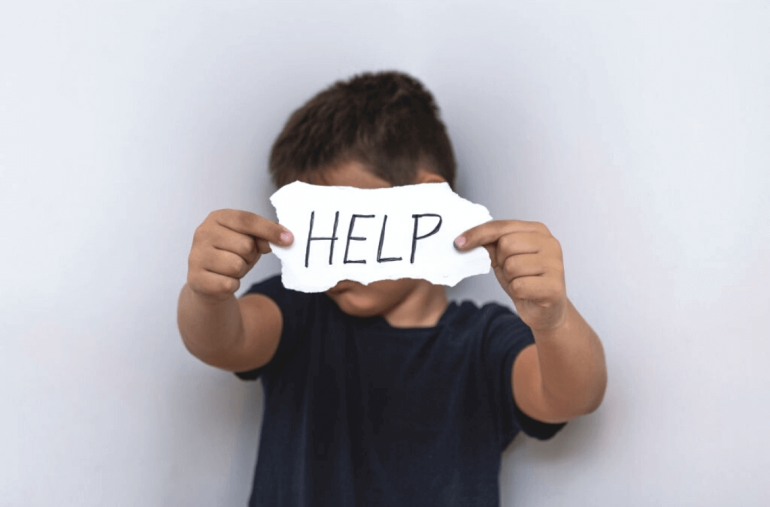
Instead of eliminating anonymity, more attention must be focused on increasing training for CPS workers, investing additional dollars in child welfare investigations, and creating safe systems that will allow them to screen, filter, and respond better to anonymous calls.
Getting kids to seek help must start with education. Children are taughtfire drills and stranger danger at school, and they must be taught about what constitutes abuse and how to report it in safety. Programs must be culturally sensitive and take into account various cultures. Kids must learn not only that abuse is not acceptable, but that they have a right to report it.
Ultimately, children are the most vulnerable members of society. They should not be reliant on luck when it comes to encountering concerned adults that will save them from abuse. The government, schools, technology companies, and communities should come together and develop technology facilitating children reporting safely and anonymously in an accessible and empowering way.
America is falling short of its duty to protect its most vulnerable citizens.
By not providing children with safe, anonymous avenues through which to report abuse, we are leaving too many to quietly endure abuse. With investment in technology, education, and trauma-informed support systems, we can create a world in which every child has the ability to ask for assistance and be heard. If we truly believe that children are our future, then protecting them must be our present priority.


No comments:
Post a Comment