
In the United States, it is completely legal for police officers to lie to you during an interrogation. That is not just some wild conspiracy theory, it is backed up by the Supreme Court, thanks to a 1969 case called Frazier V. Cupp. Cops are able to say things such as "we have your fingerprints" or "your friend already confessed," even when it is 100% something that is not true. Sounds messed up, right? Thats because it is.
A lot of people do not know this, but whats worse than cops lying is the damage it causes. There is a growing pile of evidence showing that lying to suspects, especially if they are young or mentally challenged, does a lot more harm than good. In reality, when cops lie, people stop trusting them. And that is a huge problem for everyone, not just the people sitting in the interrogation room.
To start, lying to suspects has led to tons of false confessions. We're not just talking about "oops, we got the wrong guy." We're talking about totally innocent people losing years, and even decades of their lives behind bars for crimes they did even not commit.
A study by Julia Kerr breaks it down. She explains how lying during interrogations is one of the big reasons people end up falsely confessing. And this doesn't happen randomly, it's more likely to happen to vulnerable people. That means, teenagers, people with mental disabilities, or people who do not know their rights. When someone is scared, stressed or confused they might just say what the cops want to hear to make the pressure stop. Even if they didn't do anything wrong
And it doesn't just mess up an individual case. This kind of thing spreads. When a whole community finds out that the police are allowed to lie, it makes people wonder what else they are doing behind closed doors.That kind of doubt grows at a fast rate. Soon enough people don't want to cooperate with the police, even when something serious happens. Because how can you trust someone who is allowed to trick you?

In cop shows and crime thrillers detectives are seen bluffing or bending the rules all the time. Usually played off as necessary to get the truth. But in real life, it's not so slick or cool. It is damaging. It breaks trust between police and the people they're supposed to protect. And once that trust is broken, it's really hard to fix
The Cato institute has done research on this too. Public trust in law enforcement has taken a big hit in recent years and deceptive tactics like lying to suspects are part of the reason why. Once trust is gone, its hard to get it back. Everything starts to fall apart. People are less likely to show up for jury duty, report crimes, or help out with investigations if they think the system is rigged. The whole system starts to crumble from the inside out.
Heres the thing. Not all countries let cops lie like this. In places like Germany and the UK, deceptive interrogation tactics are illegal. And guess what? Those countries still manage to solve crimes. You don't have to trick people to get the truth you just need to be better at asking the right questions and treating suspects like actual human beings.
Even in the U.S some states are starting to catch on. Illinois for example, have banned police from lying to minors during interrogations. Thats a small step in the right direction, but there is a long way to go.
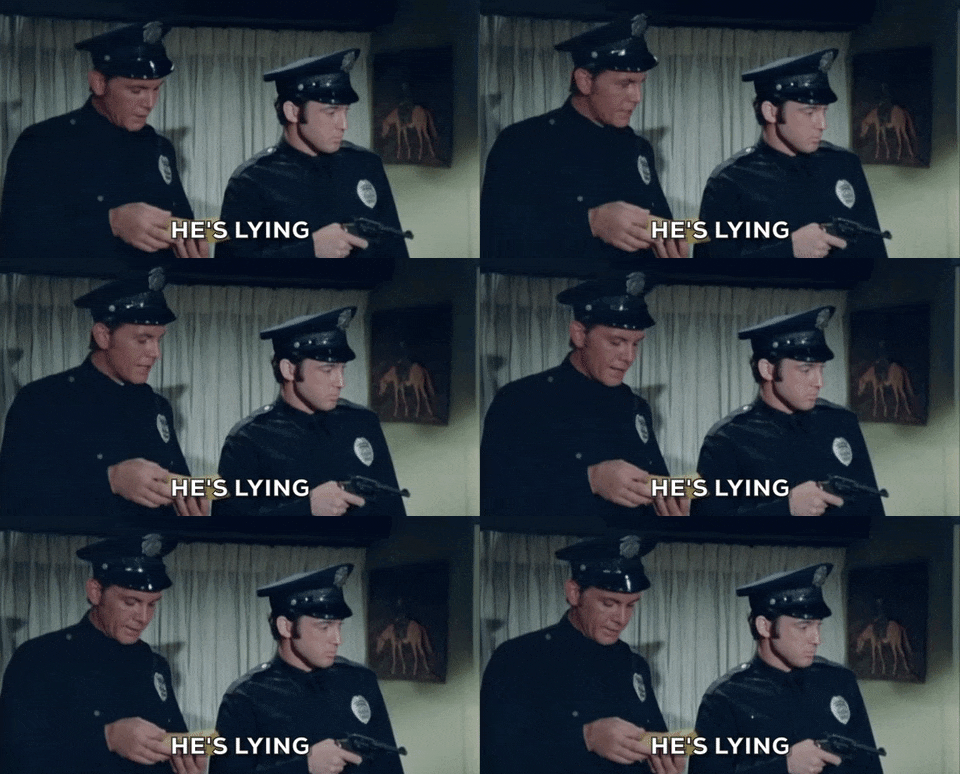
It's not rocket science. If police want people trust them, they need to stop lying. That means changing the rules at the legal level and within police departments. More transparency, more accountability and more training would go a long way.
There are plenty of tools and methods that police can use that don't involve deception such as recording interrogations, open ended interviews or even just treating people with basic respect. IF OTHER COUNTRIES CAN DO IT SO CAN WE.
Now, some people may argue "But don't cops need to lie to catch criminals." They think its part of the job and just a tactic to catch the bad guys. But that excuse doesn't really hold up. If lying was so effective, why do we keep seeing so many stories of innocent people going to prison? If lying worked, why are groups like the Innocence Project needed?
Groups like the innocence project have proven that police lies can ruin lives. As mentioned earlier, countries like Germany and United Kingdom don't allow police to lie during questioning and yet they still lock up criminals. Clearly, honesty works. We don't need deception, we need better policing.
Letting cops lie might seem like a smart shortcut, but in reality it isn't at all. It's a door opening to lost trust and broken systems. It creates more problems than it solves. If we actually want safer communities and stronger relationships between police and the public, it starts with honesty. From everyone. Especially the people who are supposed to be protecting us.


No comments:
Post a Comment