
For a long time people would make fun of others for their enjoyment but how would the person getting bullied feel? Whether it’s in schools, social media, or workplaces, could cause harm to your thoughts and social dysfunction. Addressing it requires comprehensive prevention strategies that include some education, policy enforcement, and mental health support.
Has someone ever said something to you as a joke but you took it differently? Even when you wanted to take it as a joke you just couldn’t, well at least in the moment. Demarcus was the kid who got picked on because of his appearance at school, which led to him trying to find numerous friend groups because he just wanted to fit in. A result to this led him to land in the wrong friend group, they were fake and made him think less about most of his decisions. His parents one day gave him a pep talk that made him think twice about his actions.
Bullying is more than just harmless teasing or a passing phase of childhood. It’s a major problem that causes emotional pain, social dysfunction, and long-term mental scars for victims. Bullying continues to create toxic circumstances where people feel unsafe and unwanted in companies, schools, and online settings. Developing empathy, implementing relevant legislation, attending to mental health needs, and fostering societies where respect takes the place of cruelty are all important ways to prevent bullying.
First, we should acknowledge the various forms of bullying in order to comprehend how to prevent it. It can take many different forms, all of which are equally dangerous. The most obvious type of bullying is physical bullying, which includes shoving, hitting, and other physical aggression. Another form is verbally which includes name-calling, threats, insults, and brutal taunting. Social or relational bullying uses manipulation, gossip, and exclusion to harm a person's relationships or reputation. Then you have cyberbullying which is online shaming, abusive messages, and the dissemination of rumors or private information, these are the most common types that take place through digital media. Whether the wounds are obvious or not, bullying of any kind can ruin a person's mental health, social status, and sense of self.
Bullying has a significant impact. Suicidal thoughts, despair, and anxiety are common among victims. They might start to doubt their own value and avoid social situations, which would make them feel even more alone and exacerbate the emotional suffering. Imagine if a student dreaded going to school every morning, not because of the coursework, but because they knew they would be pushed or jeered in the hallway. These aren't little inconveniences; they're daily things that can be an annoyance. Bullying victims, according to the Mass General Brigham Mclean, the victims are much more prone to have long-term emotional problems.
Including mental health support is also vital. Bullying victims and offenders frequently have underlying emotional or psychological problems. Counseling and secure environments where victims can freely discuss their experiences could help one another. On the other hand, unresolved trauma, a lack of support, or violent behavior modeling at home could be the reasons behind bullies' outbursts. The child could get teased by their older sibling(s) and as a result to feel better they would tease other kids at school, not knowing the harm it could cause. We address bullying at its root by providing mental health education, peer support programs, and professional school counselors.
Bullying causes social breakdown in institutions and communities in addition to causing social dysfunctioning. Bullying in schools has a negative impact on the learning environment. Students prioritize survival over education, and teachers frequently struggle to manage class dynamics when fear and animosity dominates. Teachers and Administration are aware of the bullying but they should also tell students “telling them isn’t tattling on one another.” Schools should train personnel to recognize subtle bullying practices, particularly those that involve social exclusion or online harassment. Allowing bullying to thrive sends a message to everyone, especially young people, that cruelty is a legitimate way to exercise authority. 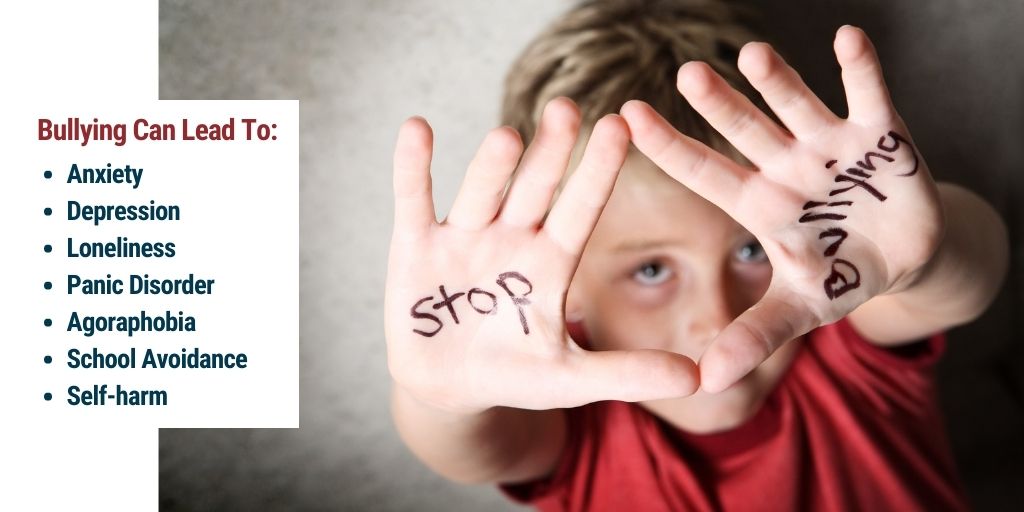
Participation in the community is also valuable. To establish the tone, leaders, educators, and parents must collaborate. Parents should speak honestly with their children and be aware of the warning signs of bullying. Local groups can organize workshops, support anti-bullying initiatives, and design secure after-school programs that provide kids a sense of security and worth.
Enforcing policies is crucial to preventing bullying. Clear anti-bullying policies that specify inappropriate behavior, speak about the penalties, and encourage restorative practices must be put in place in workplaces, schools, and online forums. Opportunities for education, introspection, and rehabilitation should be provided. For instance, schools can impose community work, required therapy, or peer mediation in place of just suspending a student. These treatments teach accountability in a positive way.
Concentrating on anti-bullying initiatives restricts free speech, or that it creates a generation that is incapable of handling hardship. However, constructive conflict and abuse are confused in this argument. While disagreements and difficulties are inevitable in life, bullying is defined as recurrent, targeted violence meant to devalue another individual. Suffering abuse is not a prerequisite for emotional resiliency. Teaching emotional intelligence and empathy fosters better than complacency in the face of adversity.
Children who receive excessive involvement may become reliant on adults to handle all of their issues. However, successful anti-bullying initiatives encourage empowerment rather than powerlessness. Students should take an active role in fostering a healthy atmosphere when they are taught to identify bullying, stand by their peers, and speak up in a safe manner. Peer-led projects give young people the opportunity to take the lead and change the world.
In the end, empathy is the most effective strategy for stopping bullying. When individuals care enough to take action, real change occurs. People's hearts and minds are transformed when individuals tell their story and others genuinely pay attention. According to Jamie D. Aten, who is a Psychologist, says that people today are 40% less empathetic than two generations ago. Think about the young person who sobs as they describe getting harassed online for no particular reason. Their suffering is genuine. It's that unvarnished, emotional reality that drives the creation of policies, the opening of minds, and the taking of action that matters.
To sum up, bullying is a complicated problem that requires an all-encompassing approach. We can tackle the entire extent of the issue by comprehending its different manifestations, including physical, verbal, social, and cyber. Enforcing policies, providing mental health care, educating the public, and working with the community are all necessary to prevent bullying. There is pushback, but it frequently results from a lack of knowledge of what bullying actually is. We can establish settings where everyone feels respected, safe, and empowered if we are kind, persistent, and dedicated.


No comments:
Post a Comment