In today’s fast-moving business world, everyone does as much as they can to make a living. Companies are constantly growing, and a lot of things are starting to go digital. But one thing that can often get overlooked is a healthy workplace environment. When the work environment becomes toxic, it doesn’t just make people uncomfortable, it can seriously affect employees' mental health, slow down productivity, and hold a businesses back from growing.
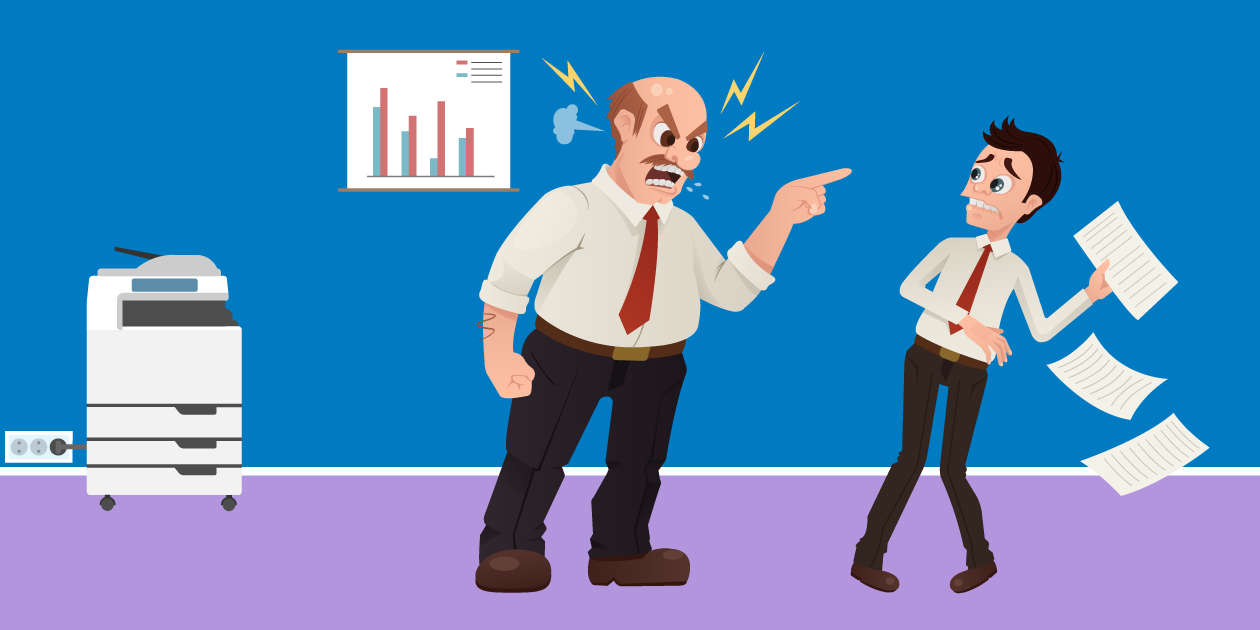
A hostile work environment is a place where people constantly feel stressed, scared, or emotionally drained. A lot of people may ask, what makes a work environment so toxic? This can come from harassment, discrimination, micromanagement, favoritism, or just bad leadership. According to the U.S. Equal Employment Opportunity Commission (EEOC), these kinds of environments violate workers’ rights and hurt a company’s performance. Toxic workplaces don’t always start with obvious bad behavior. Sometimes, they come from managers who were never properly trained. Studies show that over half of managers never get any leadership training. When people are promoted just because they’re good at their jobs, not because they’re good with people. This can lead to a lot of problems down the line.
A toxic workplace isn’t just annoying, it can impact people’s mental and emotional health in many ways. Here are a few examples of how that can happen. The first would be stress and anxiety. When employees are constantly worried about being criticized, left out, or treated unfairly, stress builds up. Over time, that leads to burnout, more sick days, and even physical health issues. This can lead to the next example, depression. If someone is stuck in a toxic environment, being ignored, bullied, or never recognized for their work, they can start feeling hopeless and depressed. Then you may start to have, emotional burnout. When people feel like their efforts don’t matter, or that they’re just being micromanaged all day, they start to mentally check out. Emotionally, they stop caring, and that shows in their work. The last example would be, low confidence. If someone’s ideas are always shut down, or they’re constantly being doubted, it chips away at their self-esteem. That kills motivation and creativity. This stuff gets even worse if people don’t feel safe speaking up. A lot of employees stay quiet because they don’t trust their managers to listen or care.

All of this can raise the question of how everything can affect the business. It’s not just the employees who suffer, a toxic workplace can mess with the whole company. There are many reasons how this can happen starting off with lower productivity. When people are dealing with drama or emotional stress, they’re not focused. Work slows down, collaboration suffers, and innovation stalls. The next thing you will see is a higher turnover rate. Talented employees won’t stick around in a toxic workplace. And replacing them isn’t cheap while recruiting, hiring, and training new people adds up fast. While this happens it can create a bad reputation. Sites like Glassdoor or the normal rating on google makes it easy for unhappy employees to share their experiences. If too many people say the company culture is toxic, it scares off potential hires, clients, and even investors. With the workplace being toxic there will be no innovation. A healthy company culture is key to trying new things, especially with fast-growing tech like AI. But in a toxic setting, people don’t feel safe enough to take risks or share ideas.
There are many people that may ask, what is the role of leadership? A lot of workplace issues come down to one thing, bad leadership. Some managers lack emotional intelligence, people skills, or even basic training. Today’s leaders can’t just manage tasks—they need to actually lead people with empathy, clarity, and purpose. There are many instances where you can notice the difference between good leadership and bad leadership. The first example would be creating psychological safety so employees feel like they can speak up without fear. This may also lead into standing up for employees' needs and making sure leadership listens. Secondly, Giving people room to grow through real career paths, not just handing out job titles. And lastly, Respecting work-life balance by offering wellness programs that people actually use. Not everyone who’s a top performer should be a manager. Companies need to recognize that leadership and individual contribution are two different skill sets. There should be growth paths for both—people who lead teams and people who are experts in what they do.
Now something that is extremely important is breaki9ng the cycle. So how can a company actually fix a toxic culture? It’s not about pizza parties or casual Fridays, it takes real changes. Some things that help with this are training managers the right way. Teach them how to listen, coach, and lead with empathy. Do “stay interviews”: Instead of waiting for people to quit, ask them what’s working and what’s not—while they’re still around. Give HR more power: HR needs to be able to step in when things go wrong and hold managers accountable. Offer career coaching, help employees grow, even if they’re stuck under a manager who isn’t great at leading.
In the end, a healthy workplace isn’t just a “nice to have”, it’s what makes everything else possible. Companies that take care of their people create room for new ideas, stronger teams, and long-term success. Ignoring workplace culture is like building a house on sand, it might look good for a while, but it won’t last.


No comments:
Post a Comment